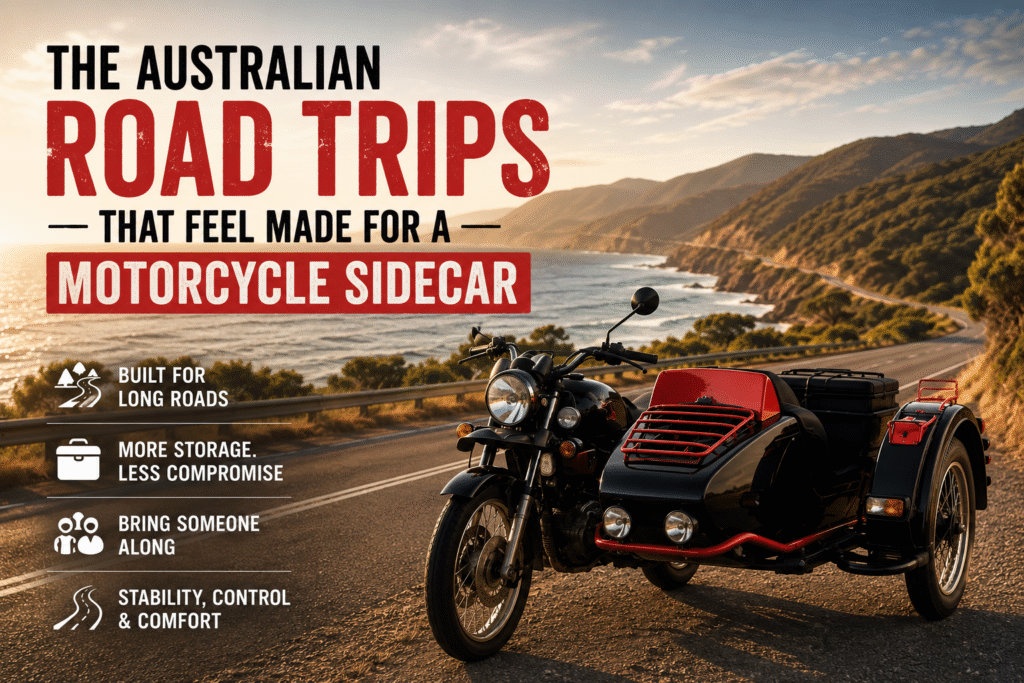


Beemer Premium Sidecar Brings a New Level of Style to Australia’s Motorcycle Scene

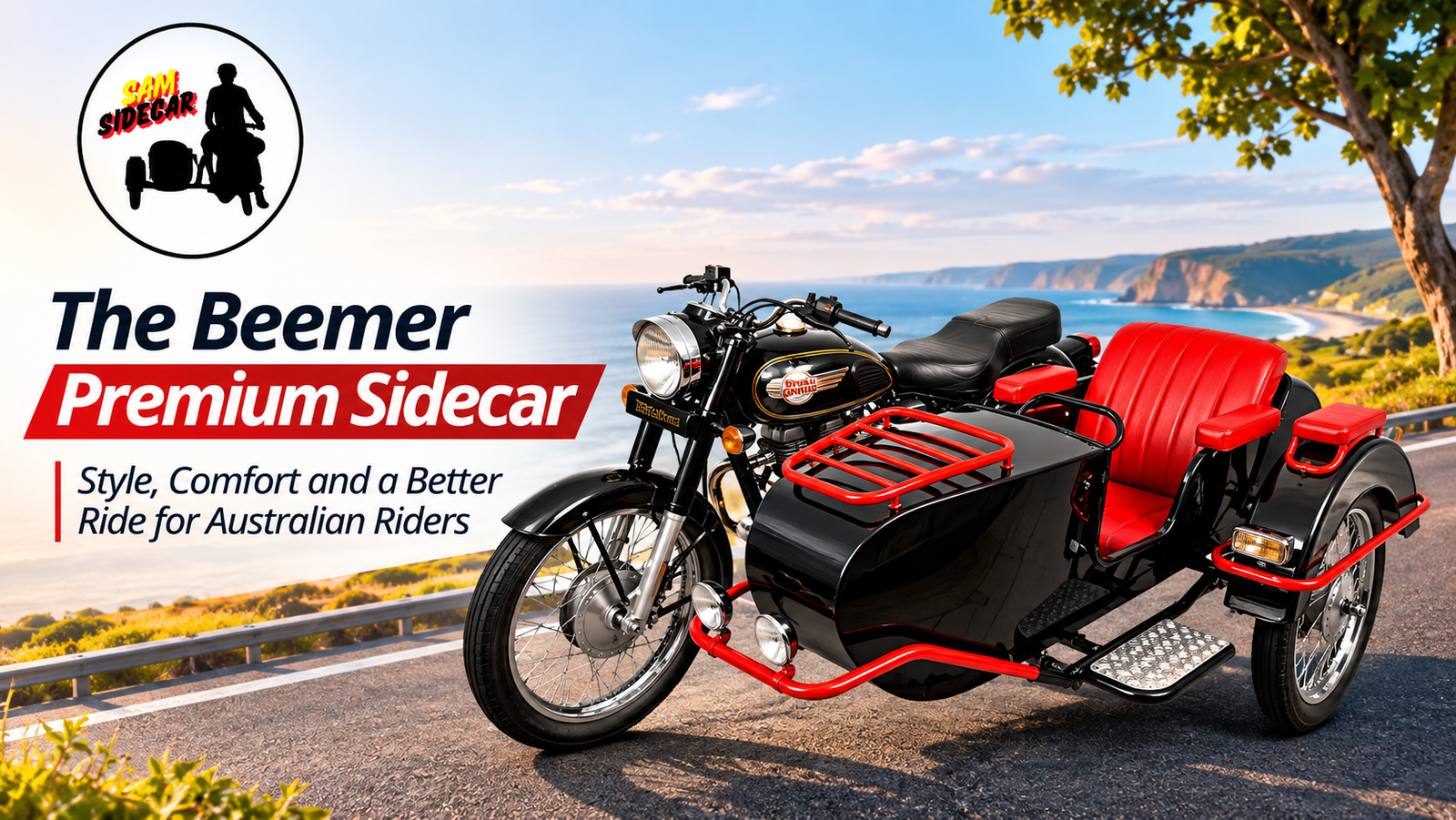
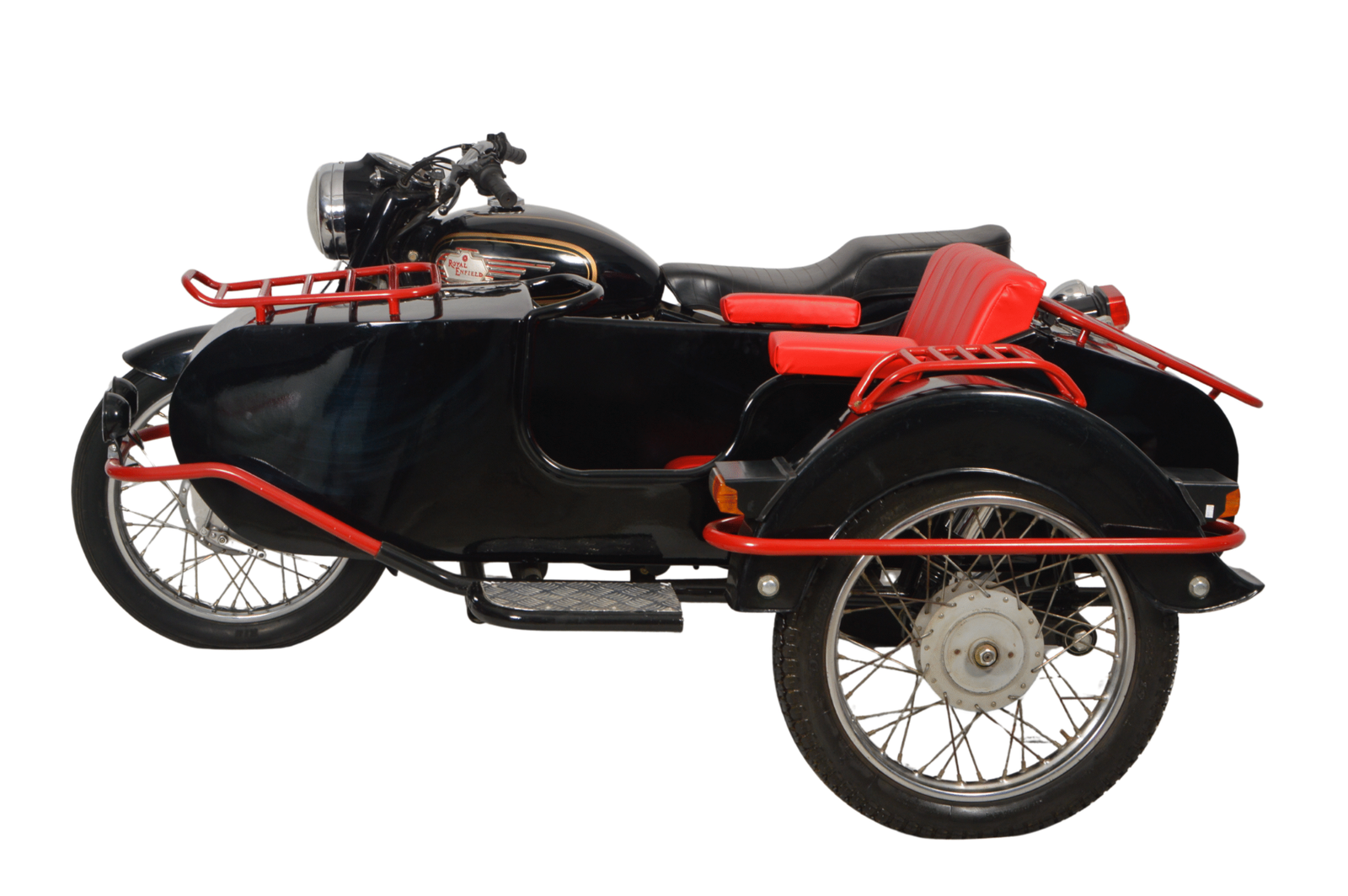
Sidecars used to be the odd one out at a ride-out, the thing people glanced at on their way past, and these days they’re the ones pulling a crowd. The Beemer Premium Sidecar is a big part of that shift, because the finish and styling make the whole rig look like a deliberate choice rather than a compromise.
Riders aren’t only asking whether a sidecar will work for them anymore. What they want to know is which one looks right, rides right and still looks good a few years down the track, and that’s where the Beemer keeps coming up in conversation.
Why Sidecars Are Getting a Style Upgrade Across Australia
For a long time, sidecars were seen as either vintage or purely practical. Anyone who wanted one usually put up with basic styling, plain paint and a body that looked like it had been added as an afterthought. Premium builders have changed that by treating the sidecar as part of the whole machine, not just an accessory bolted on the side.
Australian riders are a big reason for the change. A lot of them want a sidecar motorcycle that can carry a partner or a dog, sure, but they also want it to look good at a café stop, a coastal lookout or a weekend rally. Style and function used to be a trade-off, and with a premium outfit they don’t have to be.
There’s something cultural going on as well. Riding groups are getting older, trips are getting longer, and more couples want to share the road instead of one of them staying home. A sidecar suits all of that, and a good-looking one just makes the decision easier.
You see it at events, too. A well-finished outfit tends to draw a crowd, and the owners are usually happy to talk about it for as long as you’ll stand there. That kind of word-of-mouth has done a lot to change how people think about sidecars.
Design Details That Set the Beemer Premium Sidecar Apart
It starts with the shape. Clean body lines, a smooth finish and well-judged proportions give the Beemer Premium Sidecar a classic look with a modern polish, and it looks like it belongs next to the motorcycle instead of being bolted on afterwards.
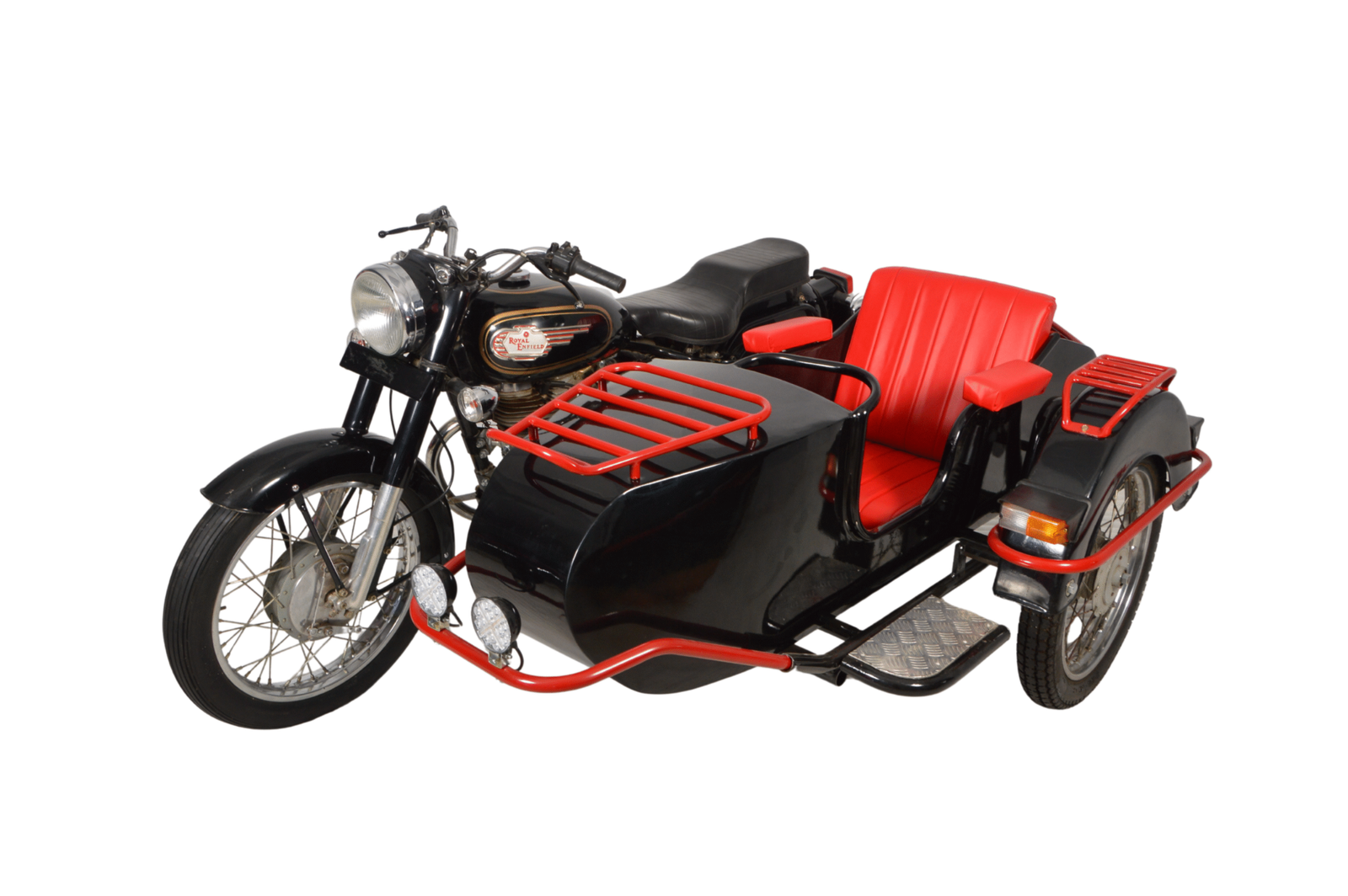
Finish is where premium and budget units really split, and it’s mostly in details you’d miss in a photo. Panel gaps, paint depth, trim quality and how neatly the hardware is mounted are all obvious in person. Tight, even panels with a deep, consistent paint job tell you somebody cared during the build.
Good design helps it last, too. A well-finished body wears better, holds its colour and looks fresh for longer, which matters whether you’re keeping the outfit for years or selling it down the line and want it to still look the part.
Which Motorcycles Pair Best With a Premium Sidecar
Not every bike suits a motorbike sidecar, and the pairing matters more than most buyers realise. Touring machines and heavier cruisers are the usual match because of their stronger frames, better torque and more braking capacity. Lighter or sportier bikes can struggle with the extra weight and the different handling demands.
Before anything gets fitted, the bike needs a proper assessment. Frame strength, engine output, gearing and brakes all come into it. Sometimes a small modification makes a bike suitable, and other times it’s just the wrong platform no matter how much you like it. A good supplier will tell you which, and that honest advice can save you a lot of money and frustration.
Even the best sidecar can’t fix a poor match. If the bike is underpowered or the brakes are marginal, the whole outfit suffers, which is why the assessment comes before the purchase and not after.
Looks come into it as well. A well-matched pairing looks cohesive, with the sidecar’s lines echoing the shape and stance of the motorcycle, and that’s a big part of why a premium rig has such presence on the road.
Why Passengers Prefer a Sidecar Chair Over a Pillion Seat
Comfort is where a premium chair really earns its price. Supportive seating, proper legroom and a settled ride mean a passenger can enjoy a long day on the road without the aches that come with a pillion seat, and that’s one of the main reasons couples make the switch.
A passenger in a sidecar gets a different experience altogether. They can see the road ahead, shift around a little and stay out of the worst of the wind, and there’s no gripping the rider or bracing on every corner. The ride turns into something they actually enjoy instead of something they put up with.
Storage is a nice bonus. You’ve got room for luggage, picnic gear or touring supplies without strapping bags all over the bike, and pet owners get a secure, comfortable spot for their dog, which is why a lot of riders start looking in the first place.
It also widens who can keep riding. People with bad backs, sore knees or balance issues often find a motorcycle sidecar lets them carry on with a lot more confidence, and for plenty of households that’s the real value of the whole thing.
Premium vs Budget Sidecars: Where the Extra Money Actually Goes
The price gap is real, and there’s no point dodging it. What you generally get for the extra money is tighter fitment, better materials, a finish that lasts and fewer headaches as time goes on. None of that shows on a price tag, but you’ll notice it once you own the thing.
Budget units tend to show their weaknesses slowly. Fasteners work loose, paint fades, panels flex and the alignment drifts a bit, and every fix costs time and money. Plenty of riders end up spending close to the price difference anyway, except they’ve got the lesser rig to show for it.
Safety comes into it too. A poorly matched or loosely built unit can affect how the rig tracks and brakes, and with a passenger beside you that’s not something worth gambling on.
Resale value matters as well. A well-kept premium sidecar usually finds a buyer faster and holds more of its price than a generic one, because buyers know the difference and they’ll pay for it.
Legal and Compliance Basics Before You Buy
Compliance isn’t the same everywhere, so there’s no single rule that covers every state. For a motorcycle sidecar in Australia, registration, engineering approval and licence requirements are all set at state and territory level, so check with your local transport authority before you buy and not afterwards.
It helps to deal with a supplier who knows those rules and can explain them clearly. They should be able to tell you what paperwork you’ll need, whether your bike requires approval for modifications, and how the process works where you live. If the answers get vague, take that as a warning.
Modifications are a common sticking point. Fitting a sidecar can change how a bike is classified or what it needs to pass inspection, and finding that out late usually means delays and unexpected costs.
Skipping this step is probably the most common mistake new buyers make, and it’s an expensive one. A sidecar you can’t register isn’t much use to anyone, so get the paperwork sorted early.
Sidecar Handling Explained: What Feels Different and How Riders Adjust
A sidecar motorcycle handles very differently from a solo bike. It doesn’t lean into corners, it steers more like a small car, and the extra weight on one side changes how it accelerates and brakes. Most riders adjust within a few weeks, though the first few rides can feel pretty strange.
Start somewhere quiet and open. Practise low-speed turns, braking and cornering in both directions until the rig feels natural. Left and right corners behave differently, because the sidecar wheel either lifts or pushes depending on which way you’re turning, so take corners slower than you think you need to, especially early on.
Braking deserves its own attention. With a wheel hanging off one side the outfit can pull or push under a hard stop if it isn’t set up right, so learn how your rig responds before you carry a passenger or head out on busy roads.
Correct setup makes all of it easier. Wheel alignment, toe-in and lean-out directly affect how the outfit tracks and how much effort it takes to ride, and a properly set up rig is safer, less tiring and a lot more enjoyable.
Why Riders Choose Sam Sidecar Over Other Suppliers
Plenty of places will sell you a sidecar. What riders tend to value about Sam Sidecar is the advice that comes first, because the team looks at your bike before anything else and gives you a straight answer on whether it’s a good match, even when that isn’t the answer you were hoping for.
Setup is the next thing people mention. Each outfit is matched to the rider’s motorcycle and adjusted for correct alignment and handling, so it tracks properly from the first ride. For anyone shopping for a sidecar in Australia, that hands-on approach counts for a lot more than a glossy catalogue.
Compliance is another. Registration and engineering rules differ by state and territory, and the team explains what applies where you live, which means fewer surprises at registration time and less chasing of paperwork.
Riders also appreciate plain communication. Clear answers on costs, timelines and what happens after delivery take most of the stress out of a big purchase, and you’re not left guessing.
FAQs
What makes the Beemer Premium Sidecar different from other sidecars?
Its styling, finish quality and overall build. The design looks cohesive with the motorcycle, and the attention to detail sets it apart from basic or universal-fit units.
Which motorcycles suit a Beemer Premium Sidecar?
Touring bikes and heavier cruisers are the most common match. The frame, engine, gearing and brakes all have to handle the extra load, so get a specialist to assess your bike first.
Do I need a special licence to ride a sidecar motorcycle in Australia?
Requirements differ between states and territories. Check with your local transport authority to confirm licence conditions before buying.
How long does it take to get used to riding with a sidecar?
Most riders adapt within a few weeks of regular practice. Steering, braking and cornering all feel different from a solo bike, so start in a quiet area.
Where can I buy a motorcycle sidecar in Australia?
From a specialist who understands bike matching, setup and state compliance. Sam Sidecar supports riders across Australia with all three.