


The Australian Road Trips That Feel Made for a Motorcycle Sidecar

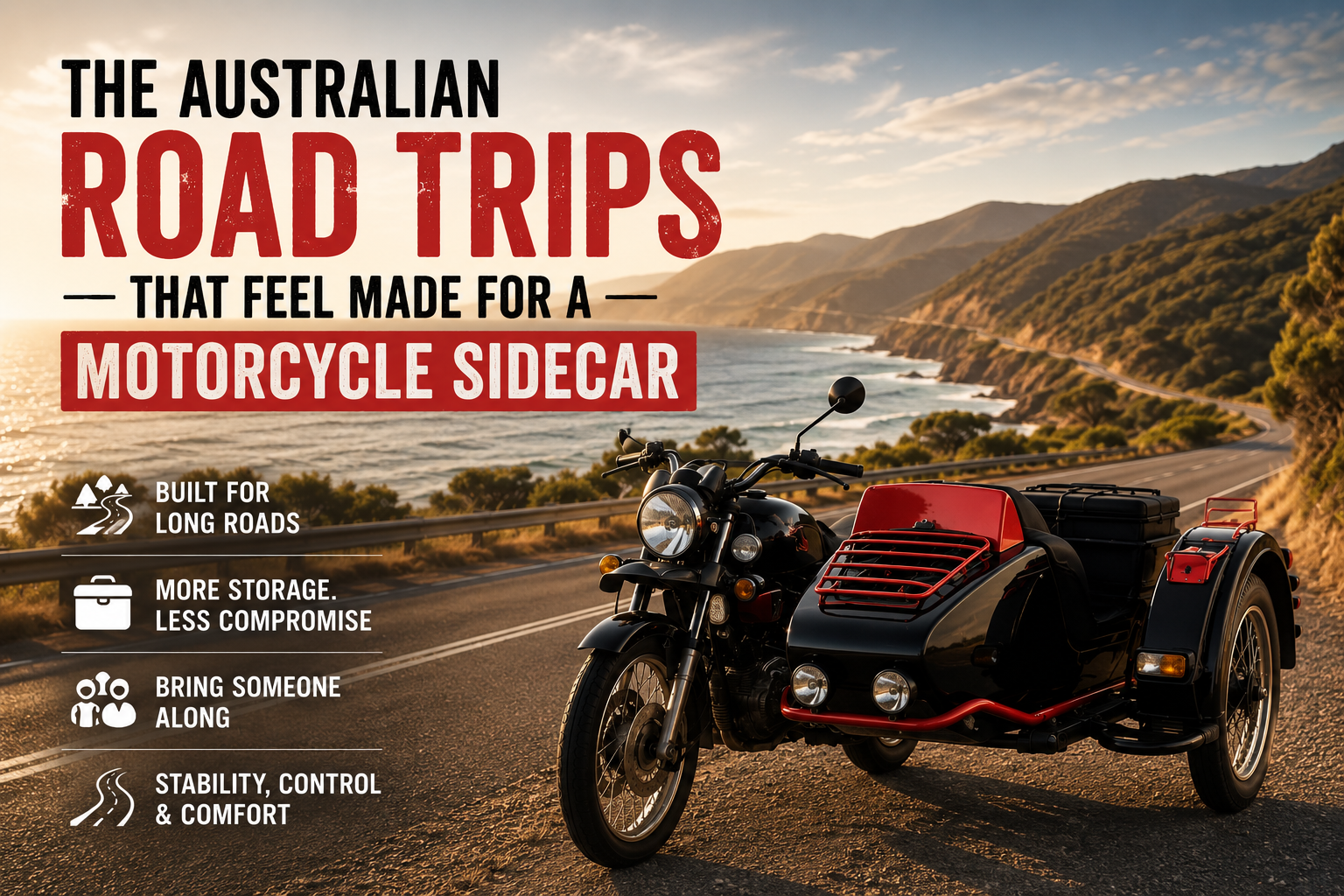
Australia has no shortage of roads built for long, slow touring. Open coastlines, high country, red dirt that stretches further than you’d think. For riders after more stability, more storage and someone to actually ride along with, a motorcycle sidecar changes the whole equation.
It’s not a rig built for speed, and it was never meant to be. What it does deliver is control, comfort and the kind of steady handling that suits Australia’s long-distance roads far better than most people expect. Here’s where sidecar touring genuinely works, and what’s worth knowing before you set off.
Why Australia Is Sidecar Touring Country
Long straights. Sweeping coastal stretches. Wide outback highways that don’t seem to end. This is where a sidecar setup does its best work. The extra footprint on the road resists crosswinds better, handles unsealed sections more predictably and there’s actual room to pack proper gear instead of stuffing everything into a tail bag.
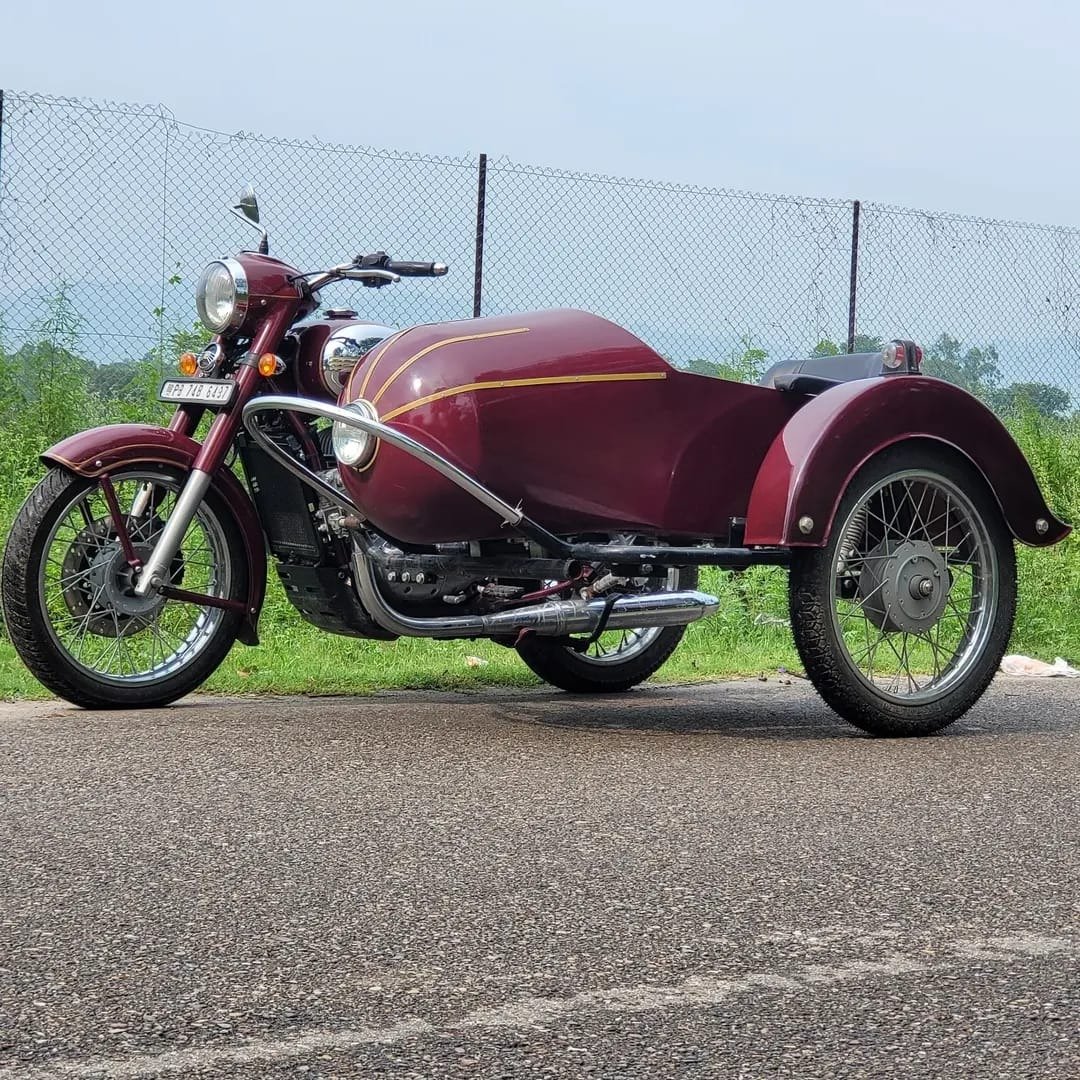
Sidecar in Australia touring has built a quiet but loyal following for exactly this reason. A well-built sidecar motorcycle was never about outright performance anyway. It’s about covering serious ground in comfort, on a rig that can take whatever the road throws at it.
Chasing Cliffs and Coastline Along the Great Ocean Road
The Great Ocean Road is one of the most photographed drives on the planet, and it earns that reputation.Torquay to Warrnambool delivers cliffside views, the Twelve Apostles, and enough small coastal towns to justify stopping every hour or so.
For sidecar riders it’s close to ideal. Wide enough for comfortable cornering, and the added stability of a motorcycle sidecar in Australia setup makes a genuine difference against the coastal crosswinds that hit those cliffs. Two to three days is about right if you actually want to stop and look around.
Climbing Victoria’s High Country on the Great Alpine Road
This one’s tougher. Wangaratta through Bright and Mount Hotham down to Bairnsdale involves switchbacks, steep gradients and alpine weather that can turn quickly. It demands a bit more confidence, and a well-set-up rig underneath you.
Sidecar experience matters here more than on most routes. Low-speed control through hairpins takes practice, no way around that. But the payoff, alpine views and towns like Bright that feel almost European, makes it worth building up to.
Discovering Outback Grandeur in the Flinders Ranges
For a true outback experience, the Flinders Ranges are hard to beat. Ancient landscapes, dramatic gorges, long open roads that suit a sidecar motorcycle configuration well.
Wilpena Pound and the Ikara-Flinders National Park offer scenery that’s genuinely unlike anywhere else in the country. Roads here are mostly wide and forgiving, though a few unsealed stretches will test rider and rig alike. Fuel and water planning matters more than usual, since towns thin out fast once you’re properly in the outback.
Island Touring Through Tasmania’s East Coast
Tasmania’s East Coast runs Hobart to Freycinet, Bicheno and up to Launceston, and it packs in more variety than its size suggests. Roads here are narrower and twistier than the mainland, but lower speed limits and lighter traffic even that out, making it a genuinely accessible route for motorcycle sidecar in Australia touring.
Wineglass Bay, the Bay of Fires, and a string of quiet coastal stops make this one of the more relaxed sidecar routes going around.
A Quiet Alpine Escape Along the Snowy Mountains Highway
Quieter than its Victorian counterpart, the Snowy Mountains Highway offers sweeping bends and solid road surfaces through Kosciuszko National Park, minus the technical demands of Hotham.
It’s a solid pick for riders newer to motorcycle and sidecar in Australia touring. A good place to build confidence before tackling something more demanding.
Essential Planning for Sidecar Road Trips in Australia
A few things worth sorting before any of these routes.
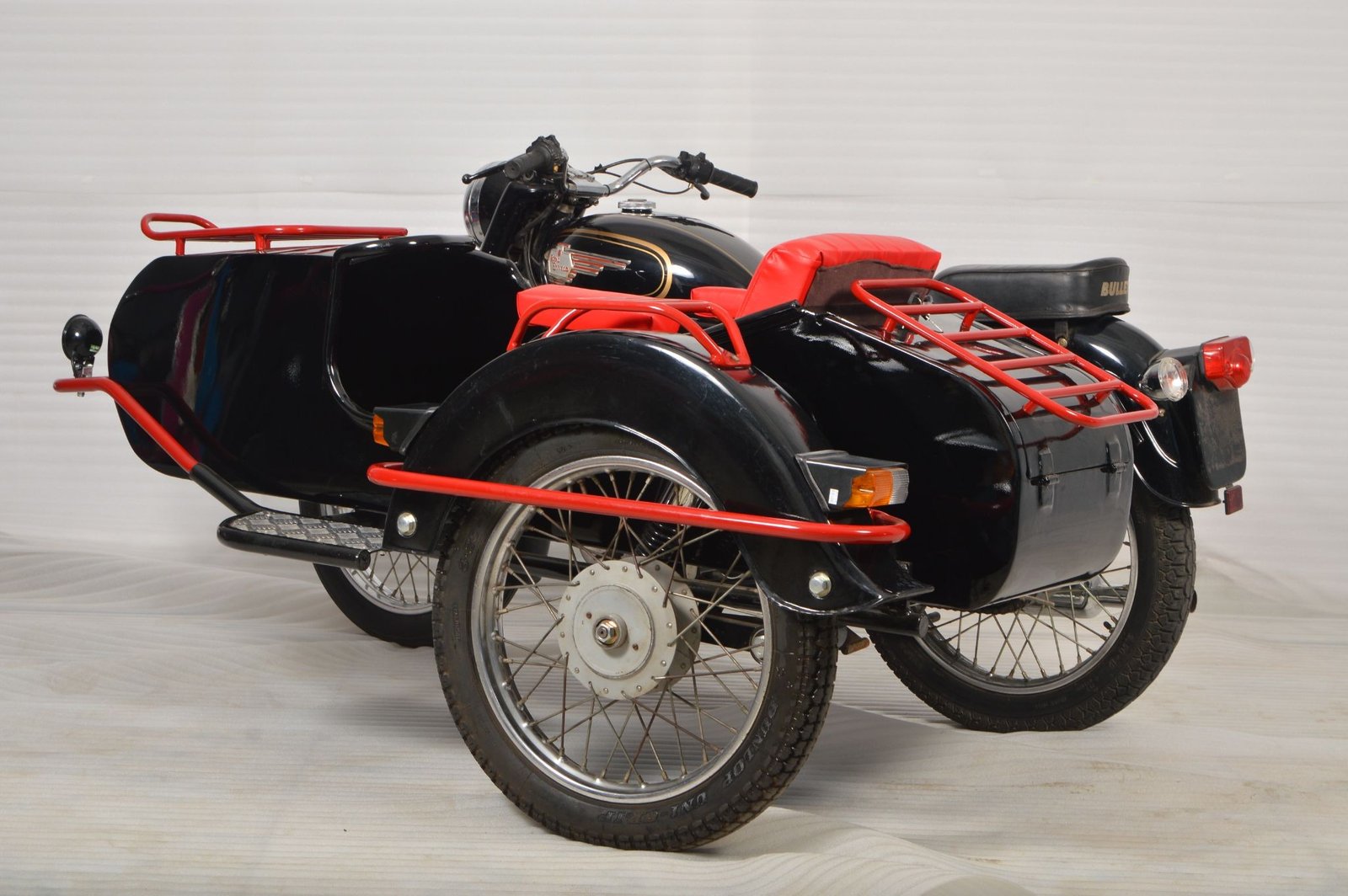
Tyre pressure and load balance affect how a sidecar tracks on long highway runs, and getting it wrong makes for a frustrating few hundred kilometres. Fuel planning matters even more once you’re off the main routes, where the next servo can be 100km-plus away. Alpine regions turn cold fast, even mid-summer, so pack layers regardless of the season.
And check the mounting hardware before you leave, not after. Structural integrity isn’t something to guess at on a multi-day tour. Cutting corners here just isn’t worth it.
Why Sam Sidecar Is the Best Choice for Your Australian Road Trip
Not every motorbike sidecar on the market is built for what Australian touring actually demands. Cheap mounting systems flex under load. Poorly balanced rigs drift on the highway. Setups that feel fine around town can fall apart on longer, harsher routes.
This is where Sam Sidecar sets itself apart. Every sidecar and mounting system is built for durability across demanding conditions, not just casual everyday use, whether that’s sealed coastal highway or rough outback corrugation. Full sidecar rigs, ambulance-style attachments, custom mounting hardware the engineering holds up on Australia’s toughest roads, not just the easy ones.
FAQs
Is a motorcycle sidecar suitable for long-distance touring in Australia?
Yes. A motorcycle sidecar in Australia offers better stability in crosswinds, more storage, and a genuinely more comfortable ride over long distances than a solo motorcycle can manage.
Which Australian road trip is best for sidecar beginners?
The Snowy Mountains Highway and Great Ocean Road are good starting points. Wide, forgiving roads before you move on to the more technical alpine stuff.
Where can I buy a high-quality motorcycle sidecar in Australia?
Sam Sidecar builds durable, well-engineered motorbike sidecar setups and custom mounting solutions for Australian conditions. Full range at samsidecar.com.
Are sidecars safe on unsealed outback roads?
With proper load balance and a quality-built rig, yes. Slow down on corrugated sections and handle them carefully, that’s really the whole trick.