


Euro Premium Sidecar for Pet Friendly Motorcycle Travel in Australia

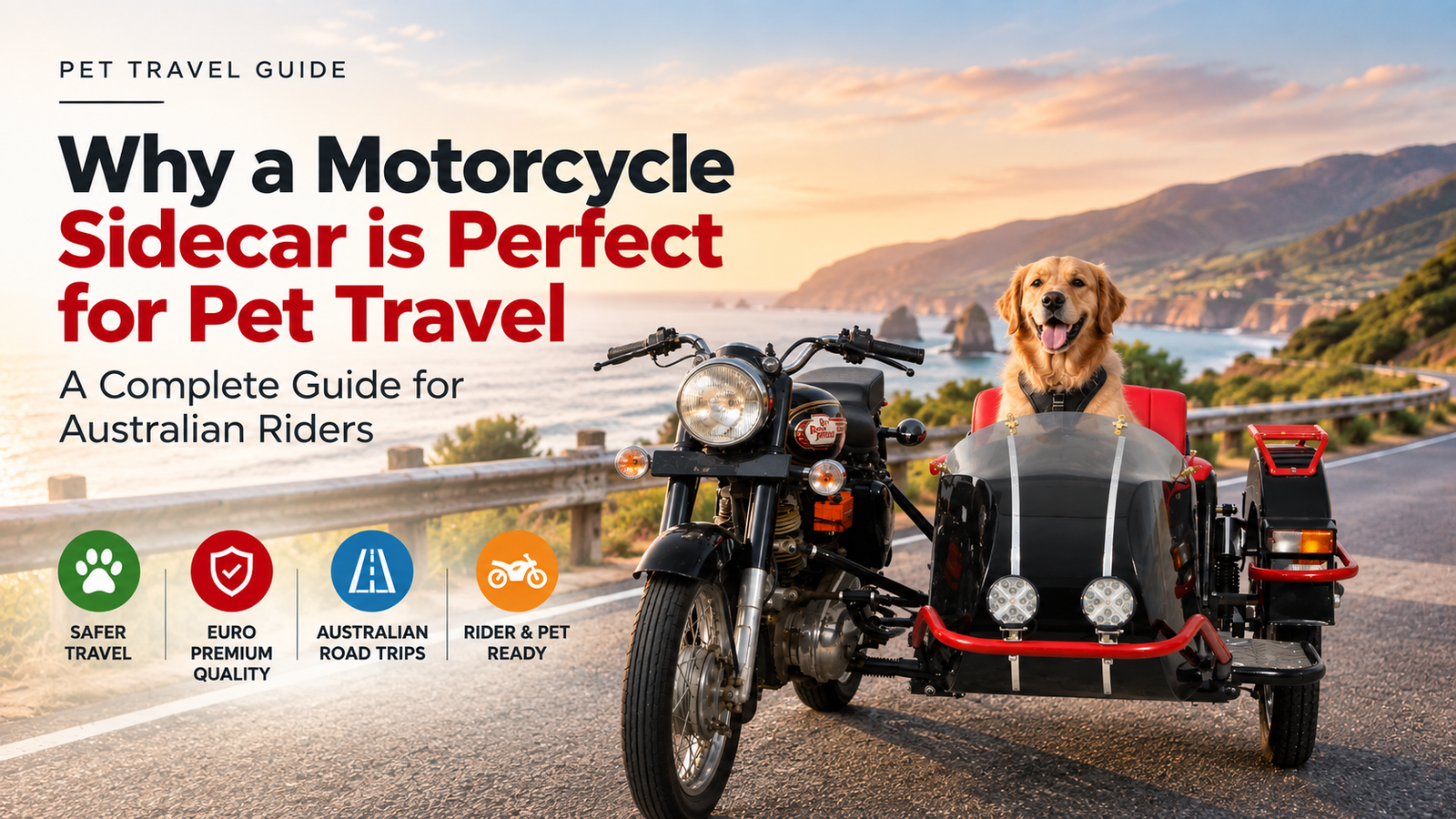
More riders across the country are fitting a motorbike sidecar to their bike these days. The reason’s simple enough, they want the pet along for the ride instead of stuck at home.
That shift owes a lot to the Euro Premium Sidecar. It’s not a new invention, more a European build standard finally making its way properly into the Australian market, and it’s changed what riders expect from a sidecar unit.
This piece goes through what that standard actually involves, why it suits pet travel specifically, the legal bits worth knowing, how to get a dog used to it, and where Sam Sidecar sits in all this.
Understanding the Euro Premium Sidecar Standard
The Euro Premium Sidecar comes from specifications refined in Europe over several decades of sidecar manufacturing. Structural integrity first, secure mounting second, suspension geometry built around the extra weight a passenger compartment adds.
Lower-cost or improvised builds skip a lot of that. They can look fine sitting still, then flex or crack under sustained load once the kilometres add up. If you’re carrying something living in that compartment, that margin of engineering isn’t optional, it’s the whole point.
Why a Sidecar Motorcycle Suits Pet Travel
A sidecar motorcycle setup gives a pet its own enclosed, secured space. No strapping the animal to the rider, no open carrier catching wind and road grit the whole trip.
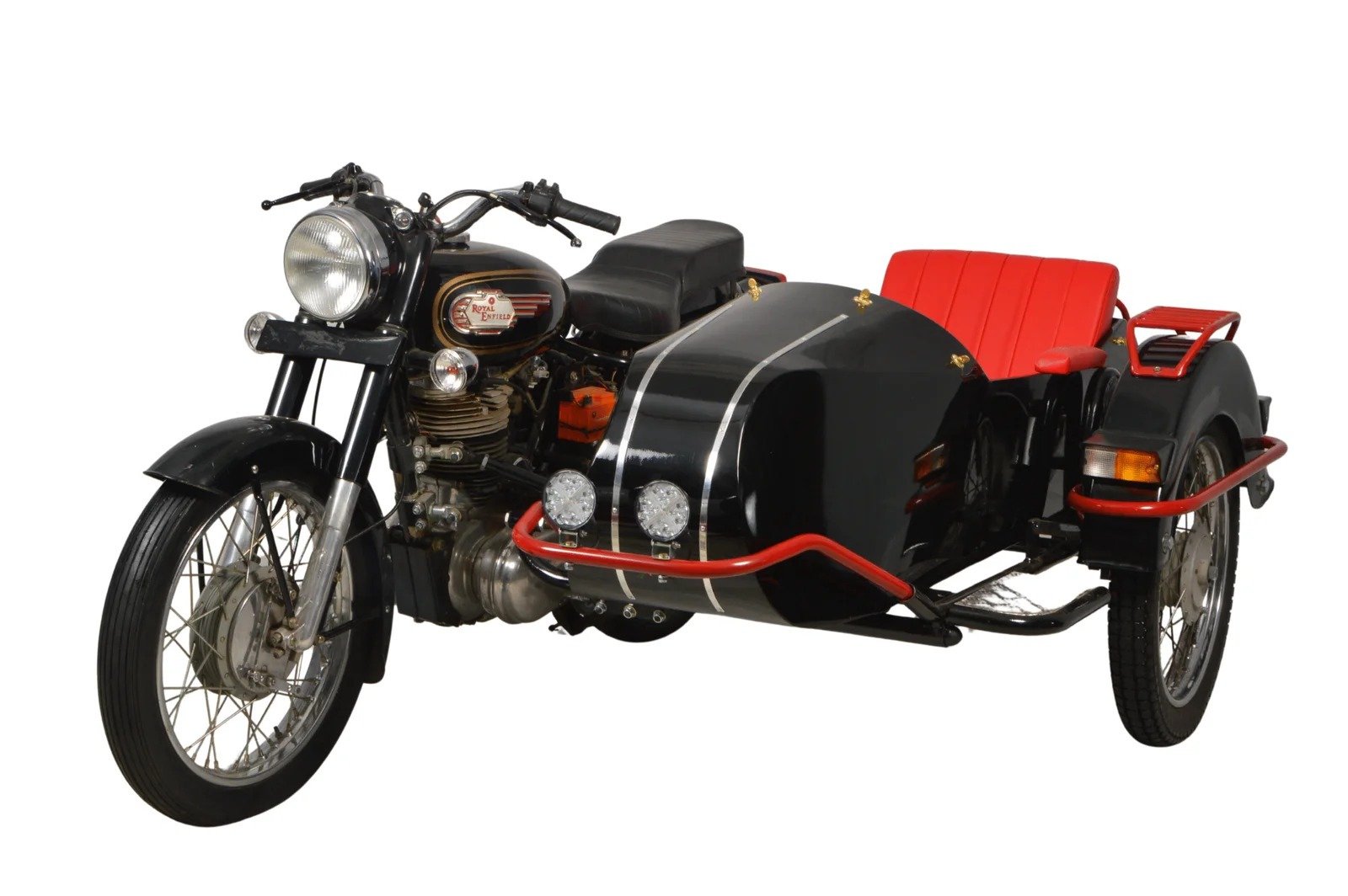
There’s a few reasons this works better in practice. Stability improves with the lower centre of gravity a sidecar creates. Riders can actually see the animal while riding, not guess how it’s coping back there. Ventilation and proper harness points cut down on stress and heat build-up, and the enclosed design keeps debris and sudden movement well away from the dog.
Put together, it’s simply a safer way to bring a pet along than most of the alternatives people try on two wheels.
Legal Considerations for a Sidecar in Australia
Running a sidecar in Australia means dealing with rules that shift a bit between states, things like mounting side, lighting, registration. There’s no single blanket law covering pet transport specifically, which trips a few riders up.
What most states do agree on, the animal has to be secured and can’t become a hazard or distraction for the rider. Worth a quick check with your local transport authority before committing to a longer trip, saves headaches later.
Preparing Your Dog for the Journey
Don’t rush this part. A gradual introduction works far better than throwing a dog straight into a long trip.
Start stationary. Engine off, dog sitting in the compartment, some treats and encouragement so it associates the space with something good rather than something scary. Once that’s comfortable, short low-speed runs help it adjust to motion and engine noise without overwhelming it in one go.
From there, speed and distance can build up slowly. Watch how the dog handles vibration and wind as things progress. Keep a secure harness attachment going the whole time too, alongside the enclosure, not instead of it. Some dogs settle into it within days. Others take weeks, and that’s fine, every dog’s different.
Touring With a Motorcycle Sidecar in Australia
Australia’s got no shortage of routes suited to a motorcycle sidecar in Australia trip with a pet on board, coastal roads through to quieter inland stretches.
The Great Ocean Road gets recommended a lot for good reason, plenty of scenery and dog-friendly stops along the way. Tasmania’s regional roads are a bit underrated though, cooler climate, less traffic, easier on an animal generally. Further inland, the New England Highway through NSW gives long steady stretches that help build a dog’s tolerance without constant stop-start stress.
Heat’s the real thing to watch on Australian roads, more than distance most of the time. Ventilation inside that compartment makes a bigger difference come January than most riders realise until they’re caught without it.
Comparing a Euro Premium Sidecar to Standard Builds
Not every sidecar on the market is built the same way, and the price difference between a Euro Premium Sidecar and a basic fabrication usually comes down to what’s underneath the panels, not what’s visible on the surface.
Standard builds often rely on lighter gauge steel and simpler mounting brackets, which can hold up fine for short trips but tend to show fatigue over time, particularly on Australia’s rougher regional roads. A Euro Premium Sidecar uses reinforced mounting points and suspension components matched to the added weight of a passenger compartment, so the ride stays predictable even after years of use.
There’s also a difference in how the two handle repairs down the line. Cheaper builds tend to need rework within a year or two, sometimes sooner if they’re used regularly for longer trips. A properly engineered unit is designed to be serviced rather than replaced, which matters if you’re planning to use it for years rather than one season.
Choosing the Right Bike for a Sidecar Motorcycle Fitment
Not every motorcycle is a natural fit for a sidecar motorcycle setup, and getting this wrong before fitting one on causes more problems than people expect.
Frame strength matters more than most riders assume. A sidecar puts asymmetric load on the chassis, so bikes with reinforced frames or those originally designed with touring in mind tend to handle the fitment better than lighter sportbikes. Engine torque also plays a role, since a sidecar adds meaningful weight and drag, and a bike without enough low-end torque will struggle on hills or when accelerating from a stop.
Wheelbase and ground clearance are worth checking too. Bikes with a longer wheelbase generally sit more stable once a sidecar’s attached, and adequate ground clearance helps avoid scraping on uneven regional roads. Getting a proper assessment before committing to a specific bike and sidecar combination saves a lot of trial and error later, and it’s a step Sam Sidecar walks riders through before any fitting begins.
Why Sam Sidecar Leads the Sidecar Motorcycle Industry
Demand for pet-friendly sidecar setups has grown quickly, and with that growth comes a fair number of shortcuts dressed up as premium builds. Picking the right manufacturer matters more now than it used to.
Sam Sidecar hasn’t cut those corners. European-grade construction, engineered specifically around Australian conditions, long distances, heat, rough regional roads, rather than just adapted from something built for European city streets. That consistency is why riders keep coming back, not because it’s the cheapest option on the market, because it holds up.
FAQs
Is a motorbike sidecar safe for transporting pets?
Yes, as long as it’s built properly, secure compartment, decent ventilation, correct harnessing. Build quality is really what decides the safety question here.
Do I need a special licence to operate a sidecar motorcycle in Australia?
Mostly a standard motorcycle licence covers it, but rules do shift a bit state to state, worth confirming before you ride.
What distinguishes a Euro Premium Sidecar from a standard sidecar?
Comes down to engineering and materials mainly. Stronger mounting, suspension tuned for the extra load, built to hold up rather than just look the part on day one.
Can any motorcycle be fitted with a sidecar in Australia?
Most mid-to-large bikes can take one, though frame strength and torque need checking first. Not every bike’s a good match, best to get that assessed properly.