

Motorcycle Sidecar Adventures for Exploring Bali Beyond the Usual Tourist Routes

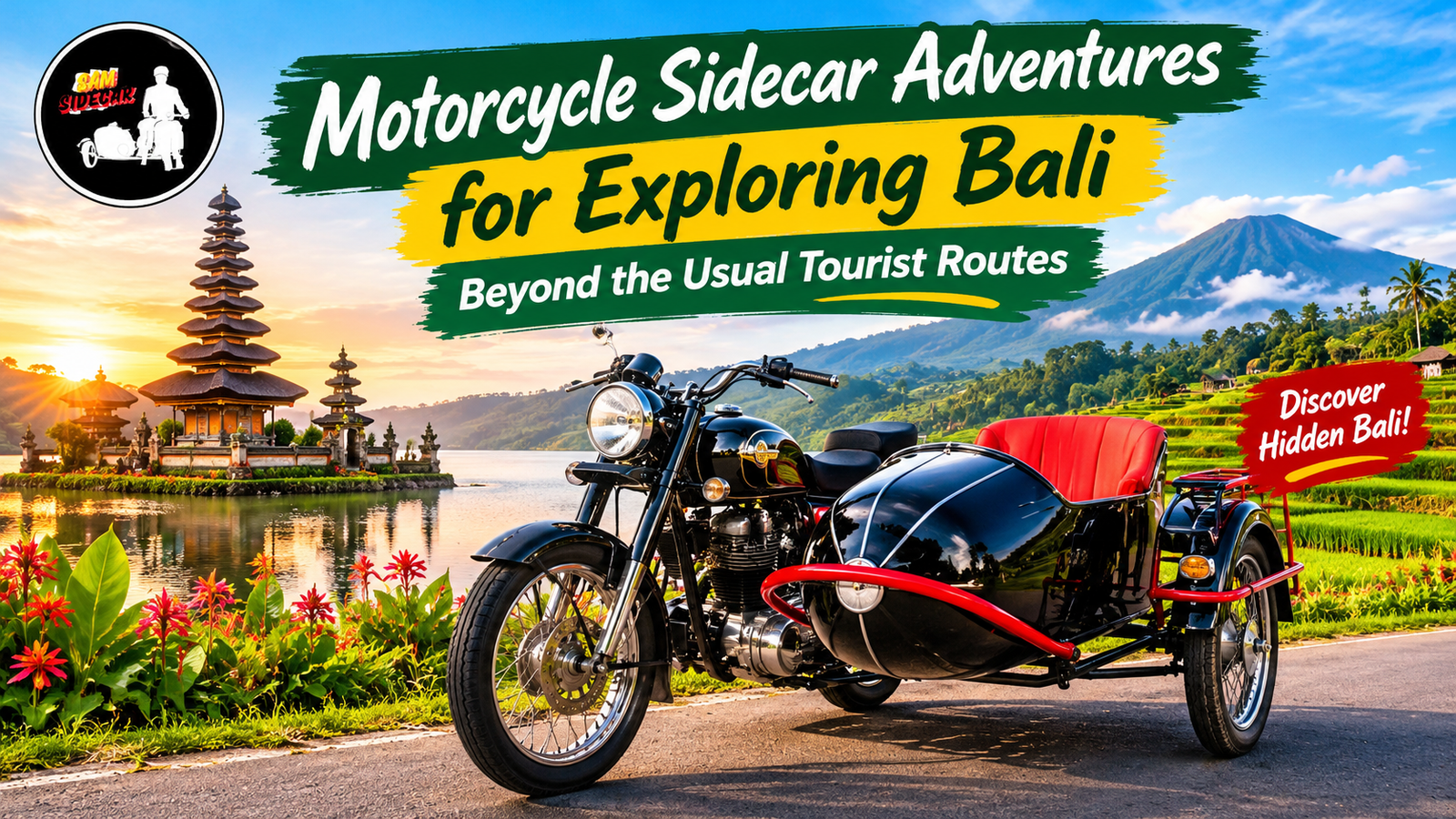
Bali draws millions of visitors and most of them follow the same circuit Seminyak, Canggu, Uluwatu, Ubud’s main strip. The island is far bigger than that. A motorcycle with sidecar is one of the few ways to reach its quieter regions in comfort, without the limits of a tour van or the balance and skill demands of riding solo.
Why Bali Is One of the Best Places in the World for Motorcycle Sidecar Touring
Bali is one of the busiest tourist islands in Asia. It recorded roughly 6.9 million international arrivals in 2025, and more than 1.4 million foreign visitors came in the first three months of 2026 alone. Authorities are also steering the island toward higher-quality visitors.That’s good news for anyone offering something premium and different, because plenty of travellers want more than the standard circuit.
Size is another point.You can start the morning at rice terraces, see a volcano by lunch and end up on a black sand beach before dark. Not many islands squeeze that much variety into so little distance, and a slow open-air vehicle is just right for it.
Then the bikes.Everyone in Bali rides one. Locals, tourists, grandmothers, kids on the way to school. So a motorcycle and sidecar doesn’t turn heads in a bad way, it just looks like a roomier version of what’s already on every road.
And the weather mostly cooperates.Warm all year, a proper dry season and most roads you’d want are paved, even the skinny village ones. You can run sidecar tours nearly year-round.
Guided motorcycle day tours are already sold across the island, through Tabanan, the Jatiluwih rice terraces and the black sand coast. People clearly want to see Bali from a bike. A sidecar offers the same freedom with more comfort and room for a passenger.
Why a Motorcycle and Sidecar Is the Smartest Way to Explore Bali Beyond the Main Tourist Circuit
Bali’s roads change fast once you leave the southern tourist belt. They narrow, climb, twist and cross villages where a coach simply can’t go. A sidecar rig handles this terrain well because it is compact, stable at low speeds and easy to stop wherever something is worth seeing.
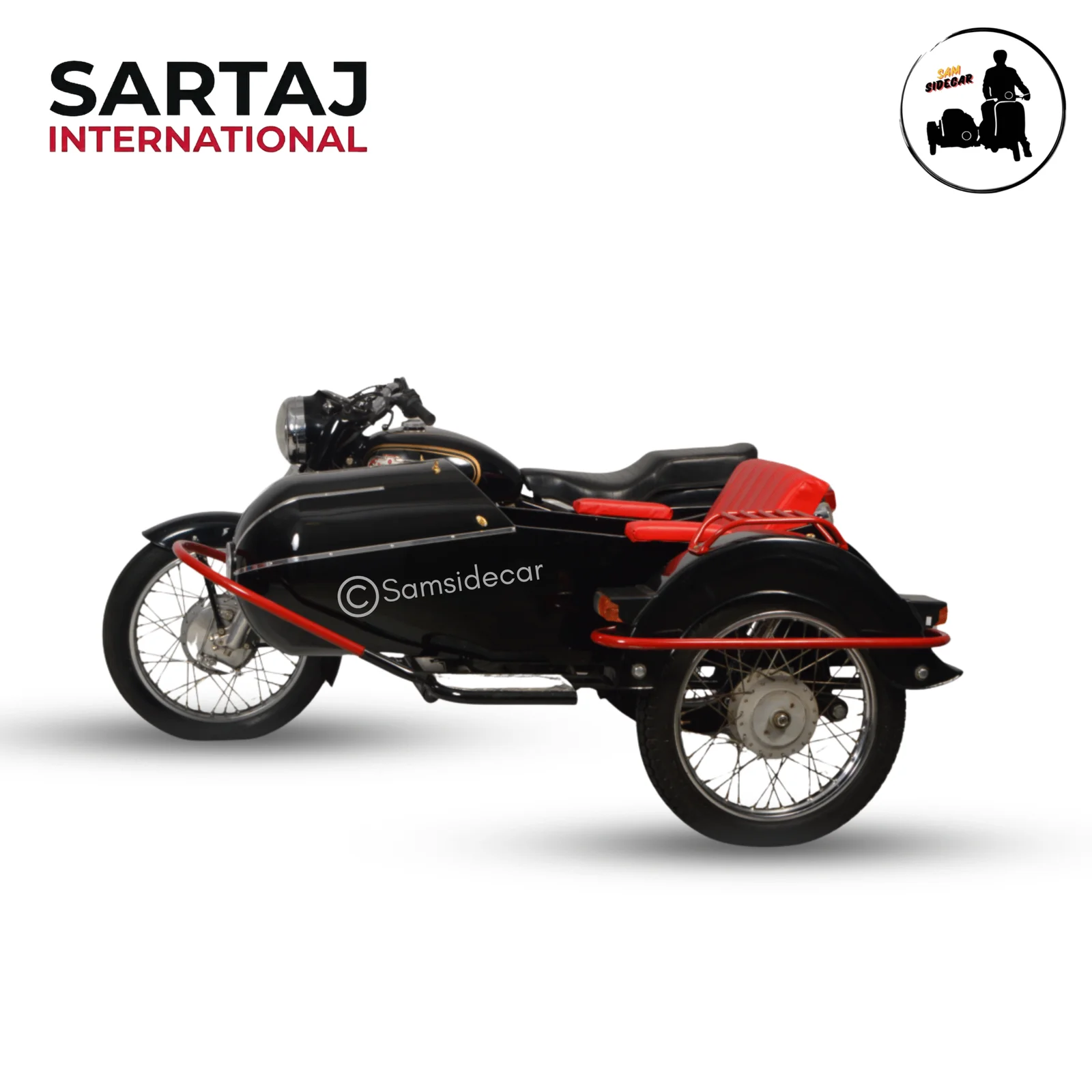
Passengers sit beside the rider, not behind. That gives a clear panoramic view and makes normal conversation possible, which is a big difference from riding pillion with a helmet between you and the rider. For couples, families and older travellers, it is a more comfortable and more secure way to cover ground.
Three wheels also give a wider, steadier base than a solo motorcycle, so people who would never ride pillion on a two-wheeler often feel fine in a sidecar. Storage is better too. Cameras, water, rain gear and small bags fit without strapping anything to your back.
Compare that with a tour van. Vans offer air conditioning, but the stops and timings are fixed. In a sidecar, the rider and passenger decide where to pause, how long to stay and which road to take next, and that flexibility is the real advantage.
Best Routes for a Side Car in Bali Away From the Crowded Tourist Spots
The most rewarding sidecar routes pair good scenery with low traffic. Four regions stand out, and each one shows a very different side of the island.
East Bali: Sidemen Valley, Tirta Gangga and the Karangasem Countryside
Sidemen is known for working rice terraces, traditional weaving villages and long views toward Mount Agung. It feels far calmer than the south, and the roads wind gently through farmland instead of fighting traffic. Tirta Gangga’s water palace is close by and is best visited early, before the tour groups arrive. The pace here suits a sidecar perfectly, with plenty of places to stop for a drink or a photo.
North Bali Highlands: Munduk, Bedugul and the Jatiluwih Rice Terraces
The north is cooler, greener and much less crowded. Expect waterfalls, clove and coffee plantations, lake views and temples set into the hillside. Jatiluwih’s terraces are a UNESCO World Heritage Site, and they are far larger than the terraces most visitors see near Ubud. The climb brings a noticeable drop in temperature, so bring a light jacket.
The Quiet Coastline: Amed, Lovina and Pemuteran
This stretch is defined by black sand beaches, fishing communities and some of the island’s best dive areas. Distances are longer, so plan it as a full-day ride or an overnight route and not a quick loop. It rewards travellers who prefer slow coastal driving over beach clubs, with open sea views for much of the way.
Ubud’s Countryside Lanes and Village Back Roads
You don’t need to travel far to get off the beaten path. Ten or fifteen minutes outside central Ubud, the roads turn into village lanes lined with rice paddies, small temples and daily offerings. A sidecar fits these lanes easily, and it is a good option for a half-day ride if you are short on time.
Planning a Motorcycle Sidecar Tour in Bali: Season, Road Conditions and Preparation
A good trip starts well before you sit in the seat. The island’s weather, roads and distances all affect how enjoyable the ride is, and a little planning makes the difference between a smooth day and a frustrating one.
The dry season, roughly April to October, is the most reliable time to ride. Skies are clearer, roads are drier and the mountain views in the north and east are at their best. The rainy season, around November to March, is still workable, but afternoon downpours can arrive fast and make rural roads slippery. If you ride during those months, start early, finish before the heaviest rain and carry rain covers or ponchos. Mornings are cooler and quieter in any season, and the light is far better for photos.
Road conditions change a lot depending on where you go. Main routes near the southern towns are busy with motorbikes, trucks and tour vehicles, while rural and mountain roads are narrower, with tight bends, potholes, loose gravel and the occasional dog, chicken or temple procession. An experienced rider reads these early and adjusts speed, which is why many travellers prefer a local rider over going alone. Traffic runs on the left, and distances look short on a map but take much longer on winding roads. A 60 km route can easily fill half a day once you add stops.
Preparation is simple but worth doing properly. Wear closed shoes, sunglasses and a light layer, and use sunscreen even on cloudy days. Cover your shoulders and knees if you plan to visit temples, and carry water, small cash for roadside warungs and a phone with offline maps, since mobile signal can drop in the highlands. For longer routes, a basic first-aid kit and a plan for fuel stops are worth the extra minute.
Who Benefits Most From Motorcycle Sidecar Tours in Bali
Sidecar travel suits couples, small families, solo travellers who want something more personal than a group tour and older visitors who want an open-air experience without having to ride pillion. It is also a strong option for photographers and anyone who likes unplanned stops. Because the passenger rides beside the rider, it is easy to talk, ask questions and learn about the places you pass.
It is less suited to anyone trying to cover long distances at highway speed. A sidecar ride is about the route itself, not just the destination. If your plan is six attractions before lunch, a car is the better tool, but if you want to see how Bali actually looks away from the crowds, a sidecar is hard to beat.
Starting a Sidecar Tour Business in Bali: Vehicle Quality, Licensing and Safety Standards
Demand for authentic, small-group experiences is rising, and a motorcycle sidecar in Bali fits that shift well. Operators who succeed tend to share the same foundations: a reliable, well-engineered vehicle, trained riders and compliant paperwork. Cutting corners on any of the three usually shows up quickly in reviews.
Licensing, vehicle registration, insurance and tourism permits in Bali can vary by regency and change over time. Check current requirements with local authorities before you launch, and don’t assume a rule that applied last year still applies now. It is also sensible to confirm insurance coverage for passengers, since a sidecar tour carries paying guests every day.
What Separates a Well-Engineered Motorcycle Sidecar From a Cheap Conversion on Bali’s Roads
Bali is hard on vehicles. Heat, humidity, salty coastal air, uneven surfaces and long days of stop-start riding expose weak engineering quickly. A sidecar that feels fine on a short test ride can start showing problems after a few weeks of daily tourist use, and that is the real test for any sidecar in Bali.
The most important part of a sidecar outfit is how the sidecar is attached and aligned to the motorcycle. The whole rig does not steer or brake like a solo bike, so the geometry has to be set up deliberately. Toe-in, lean-out and the position of the sidecar wheel relative to the bike all affect how the outfit tracks in a straight line, how it corners and how much effort the rider needs at the handlebars. When these are wrong, the outfit pulls to one side, wears tyres unevenly and gets tiring to ride. A properly braced frame with solid mounting points keeps that geometry stable under constant road stress.
Comfort is the next factor, and it decides whether guests leave a good review. Bali’s rural roads are full of potholes, patched asphalt and loose gravel, so a sidecar without decent suspension makes every bump reach the passenger. Good seat padding, a supportive backrest and a stable ride turn a long day into something enjoyable instead of tiring.
Then there is weather and corrosion. Sudden rain, strong sun and humid air are part of daily conditions, and coastal routes are especially hard on bare metal. Rain covers, sealed joints, quality paint and rust-resistant treatment protect both the passengers and the vehicle itself.
Safety equipment and maintenance matter just as much. Adding a sidecar changes the weight balance and braking behaviour of the whole outfit, so reliable brakes, proper lighting, visible indicators and secure seating points are basic requirements for any rig carrying paying passengers. For operators, every day a vehicle sits in the workshop is a day without income, so easy access to wear parts and clear technical guidance from the manufacturer keeps downtime short.
Why Sam Sidecar Is a Leading Name in Motorcycle Sidecar Manufacturing
Everything above comes down to one thing: sidecars are specialist machines, and they reward manufacturers who treat them as a core craft and not an add-on. Sam Sidecar is one of the leading names in sidecar manufacturing, with a focus on engineering sidecars for practical, working use.
That focus shows in the details that matter to tour operators: sound frame design, correct mounting and alignment, passenger comfort and construction that holds up to daily use. For a business planning a fleet in Bali, choosing a manufacturer with this kind of specialist background is one of the most important decisions in the whole venture, because the vehicle is the product guests experience from start to finish.
FAQs
Is a motorcycle with sidecar a good way to explore Bali?
Yes. It handles narrow, winding roads well, gives passengers an open view and feels more stable than a solo motorcycle for many passengers. It also lets you stop wherever you like, which a tour van can’t match.
Is a side car in Bali safe for tourists?
Generally, yes, when the rider is experienced and the vehicle is well built and maintained. Traffic and road conditions still need care, so always use proper protective gear and avoid riding in heavy rain.
What is the best time of year for a motorcycle sidecar in Bali?
The dry season from April to October is the easiest, with clearer skies and drier roads. The rainy season is still possible if you start early and carry rain protection.
Which areas are best for a motorcycle and sidecar away from tourist crowds?
East Bali around Sidemen, the northern highlands near Munduk and Jatiluwih, the quiet north and east coast, and the village lanes around Ubud. All of them are calmer than the south and have much more varied scenery.
Can a sidecar carry luggage on Bali’s roads?
Usually yes. A sidecar offers far more storage than a standard motorcycle, so cameras, water bottles and small bags fit easily. Capacity depends on the model, so check before you plan a longer trip.
What should I look for when buying a motorcycle sidecar for tours in Bali?
Look for a strong frame, correct alignment and mounting, good suspension, weather protection and reliable brakes. Buy from a specialist sidecar manufacturer that can explain its design and support you after the sale.